
Escalating Conflict in Eastern DR Congo Triggers Heightened Security and Humanitarian Response in Uganda
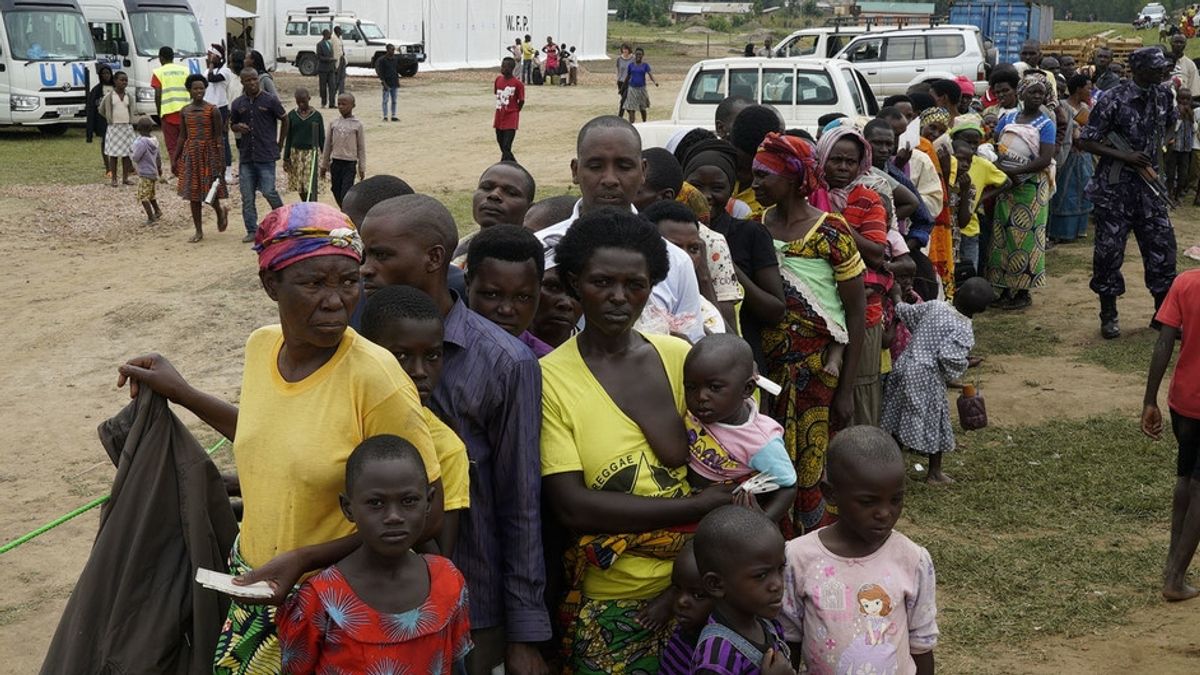

As the sun rises over the verdant hills of North Kivu Province, the simmering conflict between the Congolese national army and the M23 rebel group paints a starkly different picture of a region embroiled in turmoil. Far from being a distant observer, Uganda finds itself on the frontline of a humanitarian and security crisis that has seen thousands flee their homes, seeking refuge across the border. Since January, the escalating violence has not only disrupted local economies but also raised the specter of conflict spillover, prompting Ugandan authorities to reinforce their vigilance along the frontier.
A Crisis at the Doorstep
The ongoing strife in eastern Democratic Republic of Congo (DRC) has led to a significant exodus, with over 35,900 Congolese refugees seeking asylum in Uganda between September 2023 and January 2024, according to the United Nations High Commissioner for Refugees (UNHCR). This influx, while not new to a region familiar with the ebbs and flows of conflict, has placed an additional strain on Uganda’s already stretched resources. Security agencies in Uganda have been placed on high alert, with an increase in surveillance and military deployment along the border to prevent any violence from crossing into its territory. This response underscores the delicate balance Uganda must maintain between offering refuge and ensuring the conflict does not extend into its own backyard.
The Humanitarian Impact
The conflict’s toll on civilians cannot be overstated, with thousands displaced and in desperate need of assistance. Uganda’s open-door policy towards refugees is commendable, yet the country grapples with the logistical and financial challenges of hosting a rapidly growing refugee population. The stories of those who have crossed the border in search of safety are heart-rending, with many having left behind not just their homes but their livelihoods. The international community’s role in supporting host countries like Uganda is crucial, as emphasized by the UNHCR’s call for increased aid to manage the humanitarian crisis effectively.
Looking Ahead
The situation in eastern DRC remains volatile, with no immediate signs of abatement. The impact of the conflict, both within DRC and across its borders, highlights the interconnectedness of regional security and humanitarian concerns. Uganda’s efforts to bolster its defenses and provide asylum to thousands of refugees are noteworthy steps in managing the fallout of the conflict. However, the long-term resolution lies in addressing the root causes of the conflict in DRC and fostering a sustainable peace that can ensure the safety and well-being of all in the region.
In the meantime, Uganda and its international partners face the dual challenge of maintaining security and supporting a vulnerable population in need. The resilience of those affected by the conflict, coupled with the solidarity shown by the Ugandan people and the broader international community, offers a glimmer of hope in an otherwise bleak landscape. As the world watches, the unfolding crisis in eastern DRC and its repercussions serve as a stark reminder of the human cost of conflict and the imperative for collective action in pursuit of peace.
Crédit: Lien source

Les commentaires sont fermés.