
Two Women Accused of Witchcraft Stoned, Burnt in DR Congo: A Grim Justice
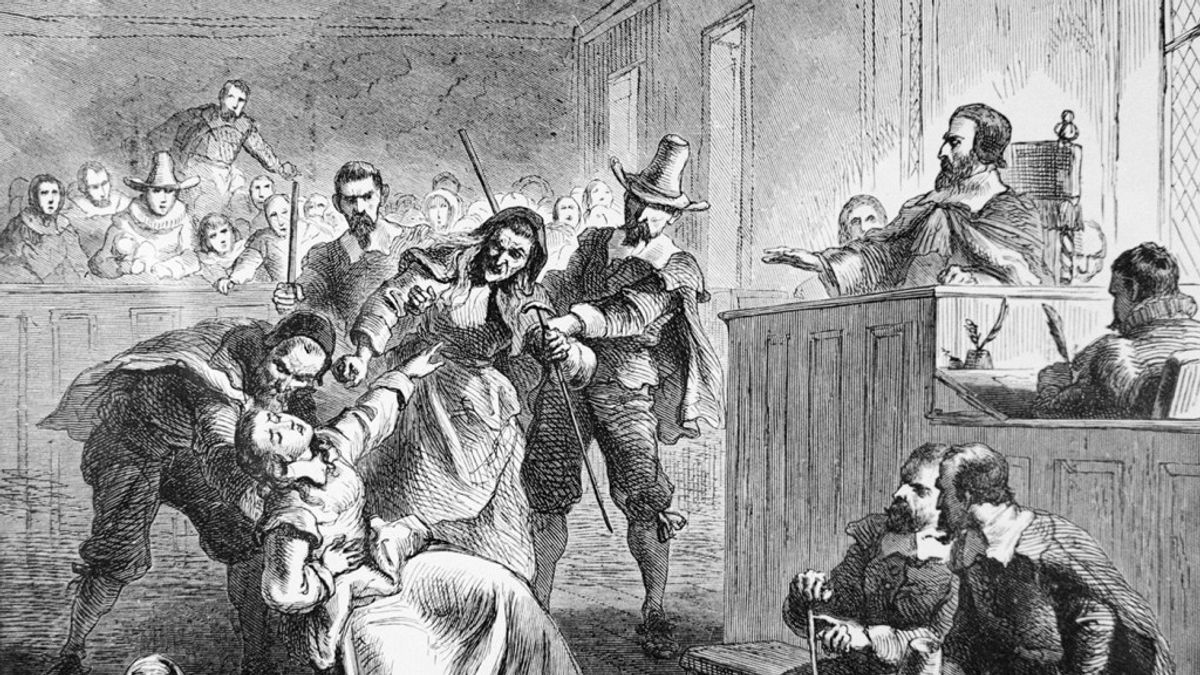

In the Democratic Republic of Congo’s eastern region, a shocking event unfolded as two women, aged 60 and 65, faced a brutal fate over accusations of witchcraft. The incident, stemming from allegations of causing multiple deaths through supernatural means, took a horrifying turn late Sunday in the South Kivu village of Nyamutiri. Andre Byaduniya, a local civil society leader, alongside Timothee Bakanirwa, a regional official, confirmed the distressing details of this event.
Chronology of a Tragedy
The two victims were rounded up by villagers, accused of orchestrating the deaths of several locals through witchcraft, a charge that led to their public execution. The method of their demise, stoning followed by burning, highlights a deeply entrenched belief system that often results in such tragic outcomes. This incident is not isolated but reflects a broader issue of witchcraft accusations leading to violence, especially against women, in certain parts of the world.
Underlying Causes and Societal Impact
Accusations of witchcraft often arise from deep-rooted superstitions and a lack of understanding of natural causes behind illnesses and deaths. In regions plagued by poverty, disease, and limited access to education, such accusations can rapidly escalate into violence. The tragic event in Nyamutiri underscores the critical need for educational programs and legal reforms aimed at eradicating these harmful practices. Furthermore, it highlights the role of local authorities and community leaders in both preventing such acts and providing justice for the victims.
Advocacy and Action
In response to this barbaric act, human rights organizations and local advocacy groups have called for immediate action. They demand not only justice for the victims but also a concerted effort to address the underlying beliefs that fuel such violence. Education, awareness campaigns, and stronger legal protections are among the measures proposed to prevent future incidents. The international community’s role in supporting these initiatives is crucial for creating lasting change.
Crédit: Lien source

Les commentaires sont fermés.