
Uganda Denies Allegations of Supporting M23 Rebels in DR Congo Conflict
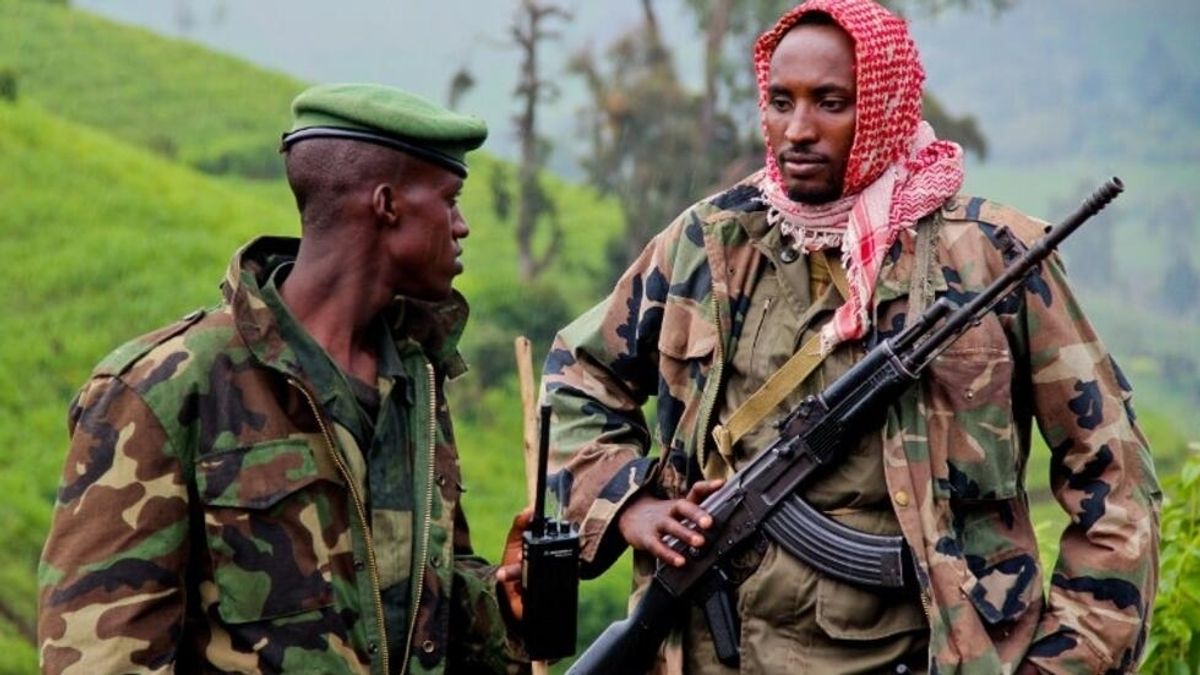

In the heart of Africa, a complex web of accusations and denials unfolds as Uganda finds itself at the center of a contentious debate. Recent allegations have surfaced, accusing the Ugandan authorities of supporting the M23 rebels in the ongoing conflict in the eastern Democratic Republic of the Congo (DRC). These claims, proliferating across social media and amplified by a chorus of politicians, civil society figures, and former ministers in the DRC, suggest a duplicitous strategy by the Uganda People’s Defence Forces (UPDF). While officially backing the DRC army in its battle against the Allied Democratic Forces, the UPDF is accused of simultaneously aiding the M23 rebels. In response, Ugandan officials have issued a formal statement, categorically denying these allegations and asserting their non-involvement in the DRC’s internal conflicts unless as part of a regional peacekeeping effort.
Unraveling the Accusations
The allegations against Uganda stem from a broader narrative of regional instability in eastern DRC, a region plagued by conflict for decades. The M23 rebels, a group with a history of rebellion against DRC authorities, are at the center of the current unrest. Accusations of Ugandan support for the M23 rebels have raised concerns about the potential for escalated conflict and the involvement of external forces in the DRC’s affairs. The ongoing conflict in the DRC has not only resulted in significant civilian casualties and displacement but has also drawn international attention to the region’s vast mineral wealth and the geopolitical interests at play.
Uganda’s Formal Denial
In a firm rebuttal, the UPDF has denied any involvement with the M23 rebels, emphasizing its commitment to regional stability and peace. According to the UPDF’s statement, Uganda’s involvement in the DRC is strictly limited to authorized peacekeeping missions and any action taken against groups like the Allied Democratic Forces is in coordination with the DRC government. This denial comes amidst a backdrop of increased scrutiny over external influences in the DRC conflict, with various actors accused of seeking to profit from the turmoil.
Broader Regional Implications
The accusations and subsequent denials by Uganda highlight the complex dynamics of regional politics in Central Africa. The conflict in eastern DRC has long been a focal point for discussions about foreign intervention and the role of neighboring countries in either exacerbating or mitigating violence. The escalating conflict and its potential to fuel anti-West sentiment in the region underscores the precarious balance between seeking peace and navigating the intricate web of alliances and animosities that define Central African geopolitics. As the situation develops, the international community remains watchful, hoping for a resolution that brings long-term stability to the DRC and its people.
Crédit: Lien source

Les commentaires sont fermés.