
US Condemns DR Congo Violence, Warns of Risks to Displaced Millions After Drone Attack
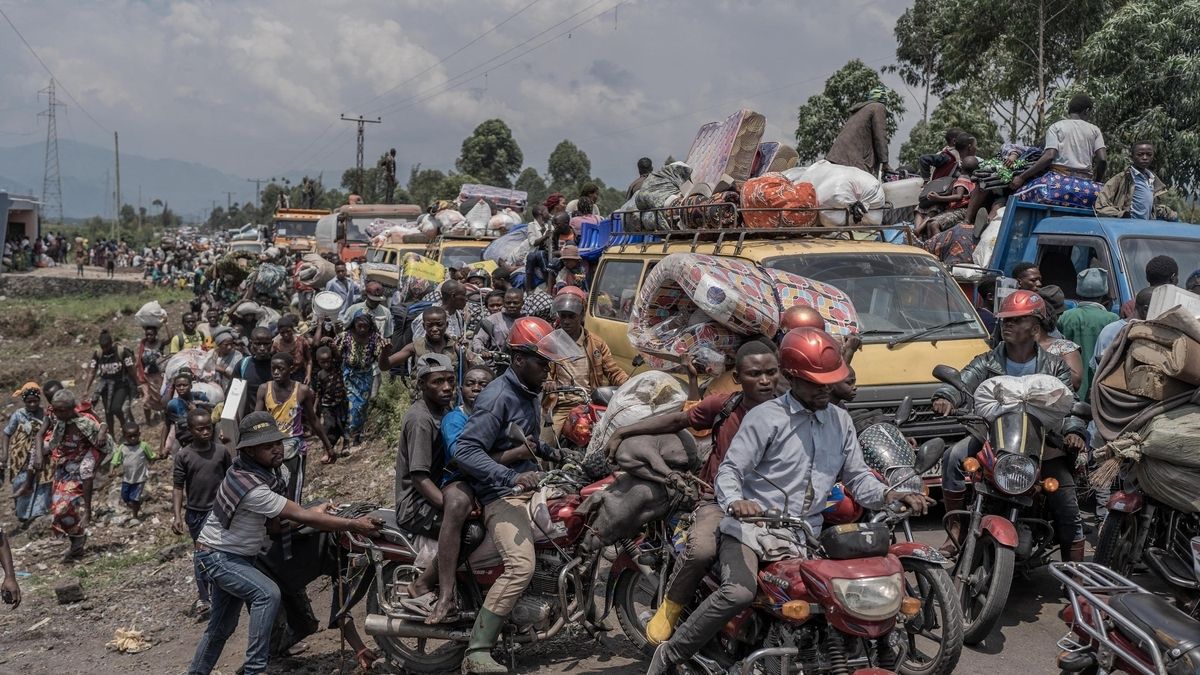

In a world increasingly interconnected, the echoes of conflict in one region can reverberate globally, presenting complex challenges to peace and security. Amidst the scenic landscapes of the Democratic Republic of the Congo (DRC), a storm of violence has escalated, drawing stern condemnation from the United States and concern from the international community. This surge in hostilities, instigated by the M23 rebel group, has not only led to a tragic toll on soldiers and civilians but has also displaced tens of thousands, pushing them towards despair and uncertainty.
The Spark Igniting the Flames
The recent flare-up in violence in the eastern DRC can be traced back to the M23 movement, a rebel group with a history of conflict in the region. The M23, claiming to champion the rights of ethnic Congolese Tutsis facing discrimination, has reignited its campaign against the DRC government forces. This resurgence of fighting has resulted in a grim tally of casualties and a mass exodus of civilians fleeing to the safety of Goma, a city precariously perched between the turmoil and the tranquility of Lake Kivu. The United States, pointing a finger at Rwanda for allegedly backing the M23 group, has issued a call for Rwanda to withdraw its defense forces and dismantle its military installations in the DRC.
International Ripples
The conflict’s ramifications extend beyond the immediate region, prompting international reactions. South Africa, in a show of solidarity with the DRC, has committed to deploying 2,900 troops to aid in the fight against the M23 group. This move underscores the broader implications of the conflict, highlighting the concern of African nations regarding stability and security on the continent. The accusations levied against Rwanda by the DRC, the United Nations, and Western countries, of supporting the rebels to control the DRC’s vast mineral wealth, further complicate the geopolitical landscape, with Kigali fervently denying such claims.
A Chronicle of Conflict
The DRC’s struggle is not a new chapter in the annals of its history. For decades, the country has grappled with the specters of war, with numerous rebel factions arising in the aftermath of the Rwandan genocide. The M23 movement itself splintered from the DRC army in 2012, embodying the persistent cycle of violence that plagues the region. The United States, through its State Department spokesperson Matthew Miller, has articulated a stern rebuke of the escalation, emphasizing the dire humanitarian crisis unfolding as civilians face displacement, deprivation, and violence. The international community watches with bated breath as efforts to quell the violence and address its root causes continue to unfold.
In the heart of Africa, the Democratic Republic of the Congo stands as a testament to the resilience of its people and the complex tapestry of challenges they face. The current crisis, fueled by the ambitions of the M23 rebel group and allegations of external support from Rwanda, casts a long shadow over the region’s future. With international actors like the United States and South Africa stepping into the fray, the hope for a resolution remains alive, albeit tangled in a web of geopolitical interests and historical grievances. As the DRC confronts this latest bout of violence, the world watches, reminded of the enduring quest for peace and stability in regions long haunted by the specters of conflict.
Crédit: Lien source

Les commentaires sont fermés.